About the Author:
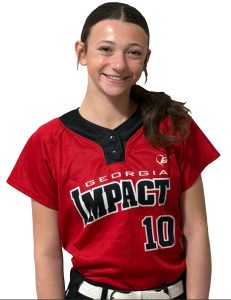
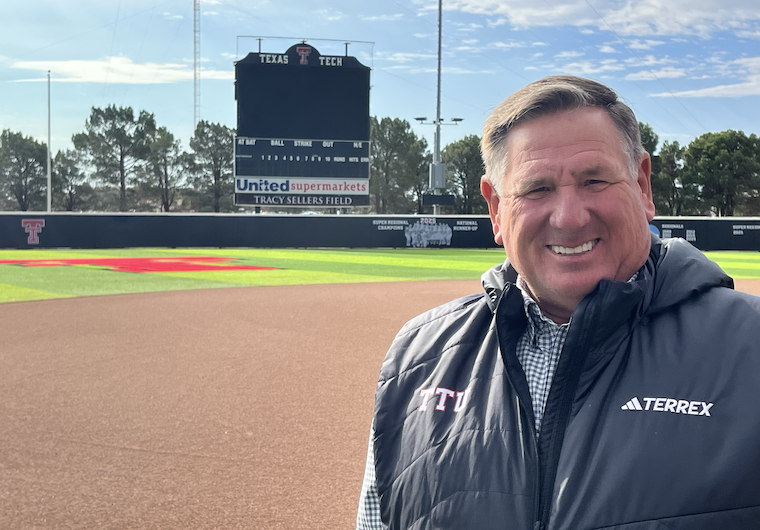
Aaron Radbill is a former Division I tennis player, a former rec and travel ball coach in the Firecrackers organization and a softball parent.
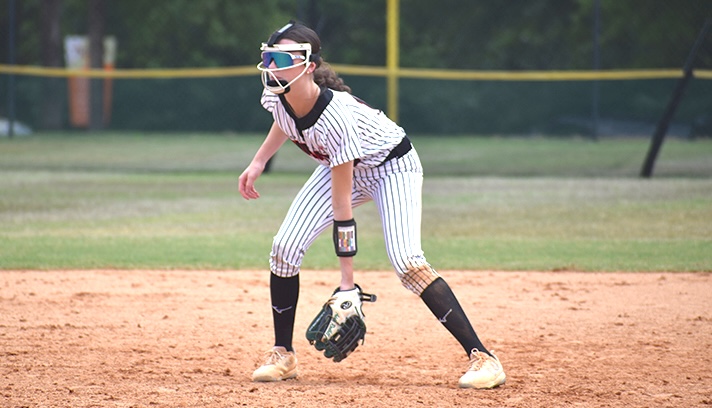
His talented daughter, Addison Radbill, is an incoming sophomore infielder from Woodstock, Ga., who attends River Ridge High and plays club ball with Georgia Impact Premier – McBay. Addison was ranked No. 32 in the 2029 HOT 100 published last month.
Aaron’s experiences as an athlete, coach, and parent have shaped his perspective on recruiting, player development, and the evolving role of versatility in youth sports.
In today’s article, he explores the balance between team-first versatility and recruiting identity in youth softball…
*****
Team sports teach athletes to be coachable… too be adaptable, a great teammate and to play wherever the team needs you.
In other words, do whatever helps the team win.
Those lessons take on different forms depending on the sport, the team, and the individual athlete, but the message is usually the same: put the success of the team ahead of yourself.
Most coaches would agree those are valuable qualities.
Parents encourage them, organizations promote them, athletes take pride in them, and, in the world of softball, versatility is often one of the clearest examples.
Unlike many sports, softball naturally creates position labels and expectations.
Pitchers and catchers are rightfully viewed as specialized roles, while the remaining positions often carry their own assumptions about athleticism, arm strength, defensive range, offensive expectations, and recruiting value.
Players are often identified early as shortstops, centerfielders, corner infielders, or outfielders. Those labels can become part of how others view them, even as the athlete continues to develop.
The reality, however, is often much more complicated:
- A coach may see a talented middle infielder but need her athleticism in the outfield.
- Another coach may trust that same athlete to play third base.
- Another may value her ability to move between multiple positions depending on the roster and competitive situation.
The position changes aren’t always about where a player is best; sometimes they’re about where a player is needed.
Sometimes they’re about putting the best nine athletes on the field.
And sometimes they’re about a coach’s confidence that a player can succeed wherever she is asked to contribute.
Coaches often praise those qualities.
Yet as recruiting enters the picture, an interesting question begins to emerge: If versatility is such a valuable trait, why can it sometimes feel so difficult to define?
*****
Versatility is Great… But Is It Always Best for the Athlete?
The softball world loves labels.
Camp registrations ask for positions, recruiting profiles ask for primary and secondary positions and rankings are organized by position groups.
College coaches evaluating hundreds of athletes often need a quick answer to a simple question:
“What position does she play?”
For many players, that answer is easy, but for others, it’s more complicated.
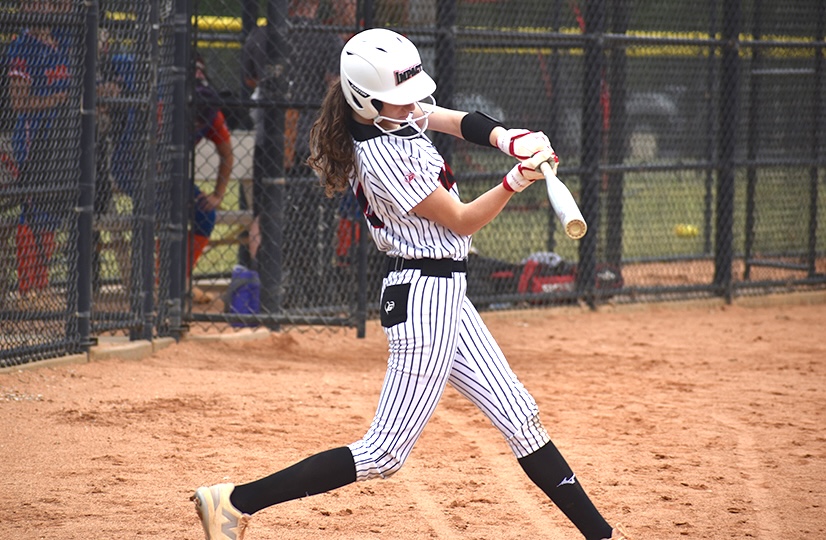
As both a parent and a former Division I athlete who experienced the recruiting process firsthand, I’ve found myself thinking about that question often while watching my daughter Addison navigate her own journey.
Over the past year, she played all three outfield positions for one travel organization because her coach believed that’s where she could best help the team.
As a freshman, she opened the high school season as a designated hitter who moved between defensive positions based on the lineup.
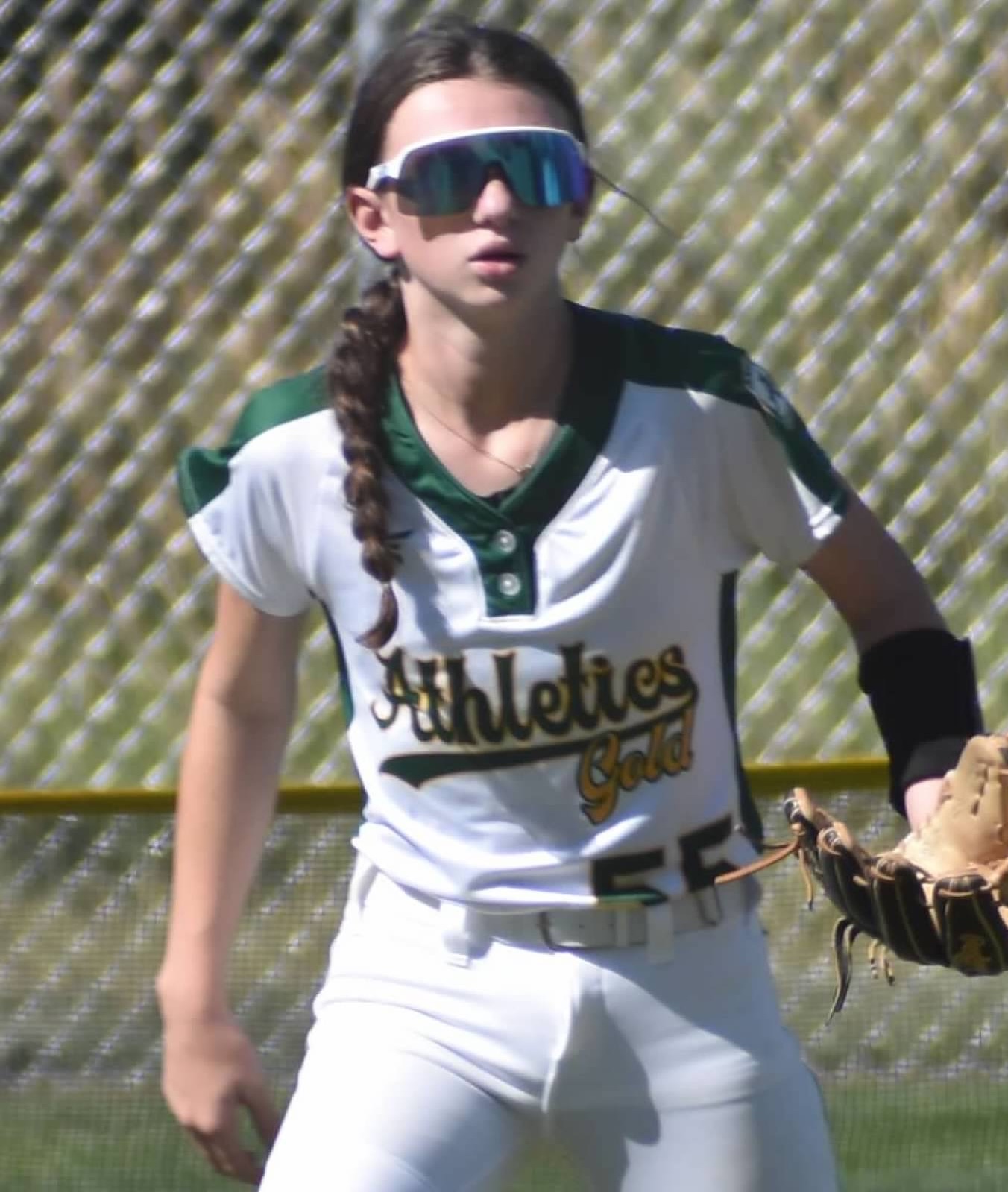
Within a few weeks, her coach identified traits that translated well to third base and gave her an opportunity at a position she had never previously played.
There were no years of specialized instruction at third base… no long history at the position.
Just a coach’s belief that she could succeed there and a player’s willingness to embrace a new challenge.
By season’s end, third base had become her home on the varsity field and she had earned 2nd Team All-Region honors for her success.
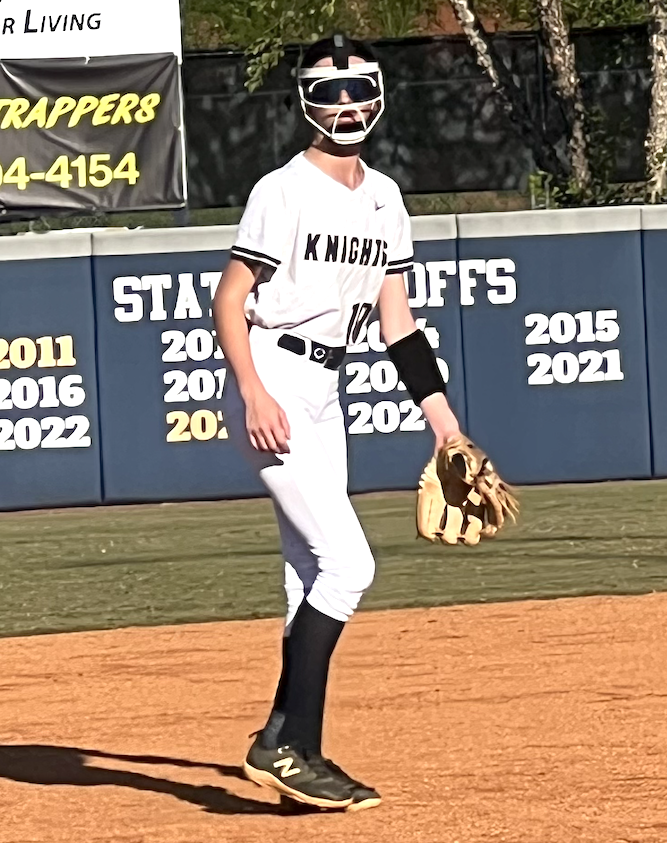
This spring and summer, while competing up an age group, she joined a team looking for a shortstop and has continued contributing throughout the infield.
What’s interesting isn’t that she changed positions—it’s that every coaching staff saw value in her ability to do so.
One coach needed an outfielder. Another trusted her to learn a new position. Another values her versatility while developing her as a middle infielder.
None of those decisions were wrong
In fact, each decision was made because a coach believed she could help the team succeed.
And that raises an interesting question:
When a player can legitimately contribute at multiple positions, how should she define herself?
More importantly, how does she communicate that value during the brief windows of attention that recruiting often provides?
The term “utility player” appears everywhere in softball: it shows up on camp registrations, recruiting questionnaires, roster forms, and player profiles.
Yet ask 10 coaches to define a utility player and you may get 10 different answers.
To some, it’s one of the highest compliments a coach can give—an athlete trusted to contribute wherever the team needs her.
To others, it’s a roster designation for a player without a permanent position.
Most likely, it’s a little bit of both… and that’s what makes the label so interesting.
I don’t believe there’s a right or wrong answer, but I do believe it’s a conversation worth having.
*****
What Do You Want to Be?
One question I’ve heard repeatedly from travel coaches over the years is simple:
“What does she want to be (position-wise)?”
The question usually comes up when completing camp registrations, recruiting questionnaires, player profiles, or showcase paperwork.
What position should she list?
- Shortstop?
- Third base?
- Outfield?
- Utility?
The recommendation is often straightforward: determine the position she wants to be recruited as and put that on the application.
On the surface, that advice makes complete sense.
College coaches need a starting point, recruiting requires clarity and athletes need a way to communicate who they are and where they project at the next level.
But for many versatile athletes, the answer isn’t always obvious.
Sometimes the position an athlete wants to become isn’t necessarily the position she’s playing today.
Sometimes it’s the position she projects to play in the future or, sometimes, it’s the position a coach believes she can play.
And sometimes it’s simply the position where she has had the opportunity to accumulate the most game experience.
Those answers don’t always align.
As a parent, that’s where I’ve found the conversation becoming more complicated.
Here are inevitable questions that arise:
— If an athlete wants to be recruited as a shortstop, but has spent most of her recent game reps helping her team in the outfield, what should she put on a camp registration?
— If she believes her long-term future is in the middle infield, but her current team needs her athleticism somewhere else, how does she communicate that to a college coach?
— How does she build confidence and experience at a position she hasn’t consistently been given the opportunity to play—not because of a lack of ability, but because of team needs?
— How does she create video?
— How does she demonstrate growth?
— How does she tell her story?
Those questions become even more challenging because recruiting opportunities are often brief.
A camp may last only a few hours and a showcase game may provide only a handful of defensive opportunities.
For athletes pursuing Division I opportunities, much of the evaluation process takes place long before direct recruiting conversations are permitted.
College coaches are often evaluating video, camp performances, recommendations, recruiting profiles, and game film before an athlete ever can sit down and explain who she is as a player.
For athletes whose value extends beyond a single position, that can create an additional challenge.
How do you communicate a story that doesn’t fit neatly into a single box when most of your opportunities to tell that story are limited?
The irony is that the same traits coaches value most—adaptability, coachability, athleticism, and a willingness to do whatever helps the team win—can sometimes make recruiting identity harder to define.
*****
It’s Not Always a Nice Simple Box That a Player Fits In
When a player fits neatly into one box, the message is simple; when she doesn’t, however, the conversation becomes more complicated.
Of course, another possibility exists: What if the athlete doesn’t know?
Or perhaps more accurately, what if she doesn’t think about herself that way at all?
One of the assumptions built into recruiting is that every player has a clearly defined answer when asked what position she wants to play at the next level.
Many do… some don’t.
Some athletes simply love competing. They love being on the field, learning new positions and enjoying the challenge of proving they can help a team in different ways.
For those players, the question isn’t always, “What do I want to be?”
Sometimes it’s simply, “Where can I help?”
That’s not a lack of direction… it’s not uncertainty… and it’s certainly not a lack of ambition.
In many cases, it is exactly what coaches ask athletes to be:
- Team-first.
- Coachable
- Adaptable
The challenge is that recruiting often requires athletes to define themselves long before they’re fully finished developing.
For example, a player may eventually become a shortstop or a third baseman or an outfielder… or some combination of all three.
But at 14, 15, or 16 years old, the answer isn’t always obvious.
And maybe that’s okay.
Perhaps the better question isn’t simply what a player wants to be; perhaps it’s how we help young athletes communicate who they are today while still allowing room for who they may become tomorrow.
*****
Where Is the Line?
The longer I have been around youth sports, the more I’ve come to appreciate that most of the difficult conversations aren’t about right versus wrong… they’re about competing priorities.
For example:
— Travel coaches are expected to build competitive rosters and put athletes in positions that give their teams the best opportunity to succeed.
— Parents want their daughters to develop, gain exposure, and maximize future opportunities.
— Athletes want to play, improve, compete, and contribute.
— College coaches want to identify players who fit their programs.
Most of the time, those goals work together, but sometimes they don’t… and that’s where the conversation becomes more complicated.
If a coach believes an athlete can best help the team in center field, but the athlete sees herself as a middle infielder, who is right?
If a player spends most of her weekends helping her team win games in one position but hopes to be recruited at another, what should take priority?
If an athlete’s versatility allows her to stay on the field while others remain on the bench, is that an advantage or a sacrifice?
The answer, of course, depends on perspective.
One coach may view versatility as a way to maximize opportunities while another may view it as a competitive advantage that strengthens the entire roster.
A parent may worry about positional exposure while an athlete may simply be excited to play.
And a college coach may be evaluating an entirely different set of attributes altogether.
Perhaps that’s why this discussion rarely has simple answers.
The reality is that recruiting and player development don’t always operate on the same timeline.
Again, three different perspectives to consider:
- A coach may be focused on winning the next tournament.
- A player may be thinking about the next four years.
- A college coach may be projecting what that athlete will become two or three years from now.
All three perspectives are reasonable and all three perspectives matter.
And yet they can occasionally pull in different directions.
That doesn’t mean coaches should stop putting athletes where they help the team most and it doesn’t mean athletes should become selfish.
And it certainly doesn’t mean recruiting should dictate every decision made on a softball field, but it does raise an important question:
At what point does helping a team today begin to influence how an athlete is evaluated tomorrow?
There may not be a perfect answer—there may not even be a universal answer—but acknowledging that tension is an important part of understanding the modern recruiting landscape.
Because for many athletes, the challenge isn’t choosing between being team-first and being recruitable—the challenge is figuring out how to be both.
*****
To Showcase, Yes, But Exactly… How?
Perhaps nowhere is this tension more visible than during showcase season.
Unlike championship play, where winning is often the primary objective, showcase events are built around exposure and evaluation.
College coaches are watching, athletes are trying to make impressions and families are investing significant time and resources for opportunities to be seen.
And yet the same questions remain:
- How do you showcase versatility?
- If a player can legitimately contribute at shortstop, third base, second base, and the outfield, which position should she play when college coaches are watching?
- Should she continue helping the team wherever she is needed?
- Or should she focus on maximizing exposure at the position she hopes to be recruited for?
More questions arise:
- How does a travel coach advocate for that athlete?
- How does a college coach evaluate that athlete?
- How does the athlete tell her story?
Those questions become even more challenging because recruiting windows can be incredibly small.
A coach may only watch a few innings… a single game… a handful of defensive opportunities.
For athletes pursuing Division I opportunities, much of the evaluation process occurs long before direct recruiting conversations are even permitted.
In many cases, coaches are evaluating video, camp performances, recommendations, recruiting profiles, social media updates, and game film before an athlete ever can fully explain who she is as a player.
Perhaps that’s one reason this process has fascinated me as both a parent and a former Division I athlete.
When I was being recruited to play college tennis, the process looked very different.
Coaches evaluated results, rankings, tournament performances, and head-to-head competition.
Whether they were watching singles or doubles, the number of athletes being evaluated at any given moment was relatively small, and your performance was largely your own.
Softball doesn’t work that way.
A college coach may be watching nine defensive players, multiple offensive at-bats, substitutions, lineup changes, and game situations all at once.
A player can have an outstanding game and never have a ball hit to her. She can help her team win in countless ways that may not immediately show up in a stat line or highlight clip.
That doesn’t make one recruiting process better than the other, but it does highlight how much more important context can become when evaluating team-sport athletes.
Sometimes a first impression is all an athlete gets.
For versatile players, that can create a unique challenge… not because they lack ability or because coaches don’t value them, but because versatility often requires context, and context can be difficult to communicate in a short evaluation window.
If an athlete is being recruited as a shortstop but spends the weekend helping her team in the outfield, how does a coach know that?
If a player projects best at one position but is currently playing another because of roster needs, who tells that story?
And if athletes feel responsible for creating that context themselves, other challenges emerge:
- Does every showcase become more important?
- Does every camp carry additional pressure?
- Does every defensive rep feel like an opportunity that can’t be missed?
Perhaps that’s where many families find themselves navigating the balance between development and exposure.
Not because they are trying to game the recruiting process and not because anyone is doing anything wrong, but because they are trying to ensure that an athlete’s complete story has a chance to be seen.
And maybe that’s the real challenge facing versatile athletes today.
Not proving they can play multiple positions but finding a way to communicate the value of that versatility in a recruiting environment that often rewards simplicity.
*****
What Does Versatility Really Mean?
Maybe that’s why I’ve come to view this conversation differently than I did when my daughter first started navigating it.
Early on, I found myself focused on positions.
- Was she an outfielder?
- A third baseman?
- A shortstop?
- A utility player?
Like many families navigating the recruiting process, I wanted a clear answer.
Over time, I’ve started to wonder if I was asking the wrong question, because when I look back at the coaches, teams, and situations discussed throughout this article, the common thread isn’t a position.
It’s trust.
One coach trusted an athlete enough to move her to the outfield because that’s where the team needed her most.
Another trusted her enough to hand her a position she had never played before.
Another trusted her versatility while developing her in a new role against older competition.
- Different positions.
- Different teams.
- Different objectives.
… but the same underlying belief: trust.
Perhaps that’s what versatility represents at its best.
Not uncertainty, not indecision, not a player without a position…
… but a player coaches believe can solve problems.
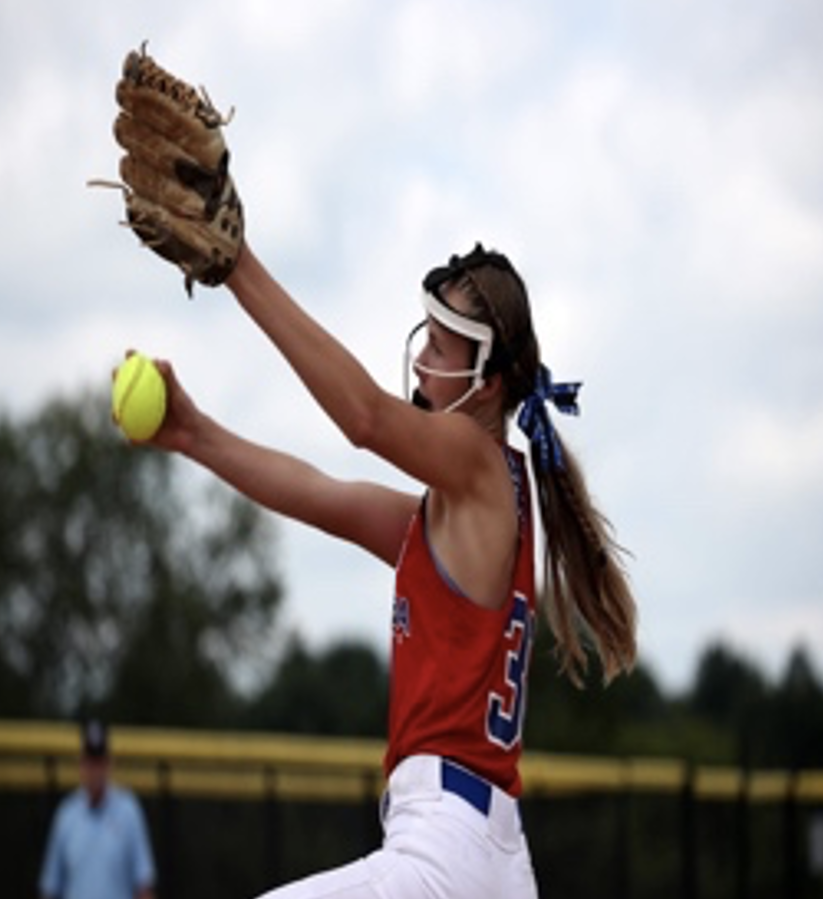
A player they believe can learn, adapt, compete and lead… and help a team succeed regardless of where her name appears on the lineup card.
That doesn’t mean recruiting identity isn’t important–it absolutely is!
College coaches still need to understand where an athlete projects, players still need to advocate for themselves, and families still need to help tell their story.
But perhaps versatility and recruiting identity don’t have to compete with one another.
Perhaps the goal isn’t forcing athletes into a single box as early as possible, but, instead, is helping them understand who they are today while still allowing room for who they may become tomorrow.
For some athletes, the answer is obvious.
They know exactly what position they want to play and where they see themselves at the next level.
For others, the answer takes time… and maybe that’s okay.
After all, youth sports are supposed to be about development but not just developing skills.
They’re also about:
- Developing confidence.
- Developing adaptability.
- Developing leadership.
- Developing the ability to respond when circumstances change.
Those qualities don’t always show up next to a position listing on a recruiting profile.
They don’t always fit neatly into a ranking category, and they aren’t always easy to evaluate in a few innings at a showcase or a single camp workout.
But they’re real.
And they’re often the same qualities coaches rely on when the game is on the line.
Maybe that’s why this conversation matters… not because versatility is better than specialization and not because one approach is right and the other is wrong…
… but because there are athletes all over the country trying to balance both:
- Trying to be team-first while also building a recruiting identity.
- Trying to help their teams win while also preparing for the future.
- Trying to communicate a story that may not fit neatly into a single position designation.
There may never be a perfect answer.
But perhaps the conversation shouldn’t start with:
“What position does she play?”
Perhaps it should start with:
“What kind of player is she?”
Because, when you can play anywhere, sometimes it can feel like you play nowhere… but more often than not, it means a coach believes you can help them win wherever you’re needed most.
— Aaron Radbill/Line Drive Media contributor
*****
Like what you read? Agree or have different thoughts? Share your opinions and input by emailing us at Brentt.Eads@LineDriveMedia.com