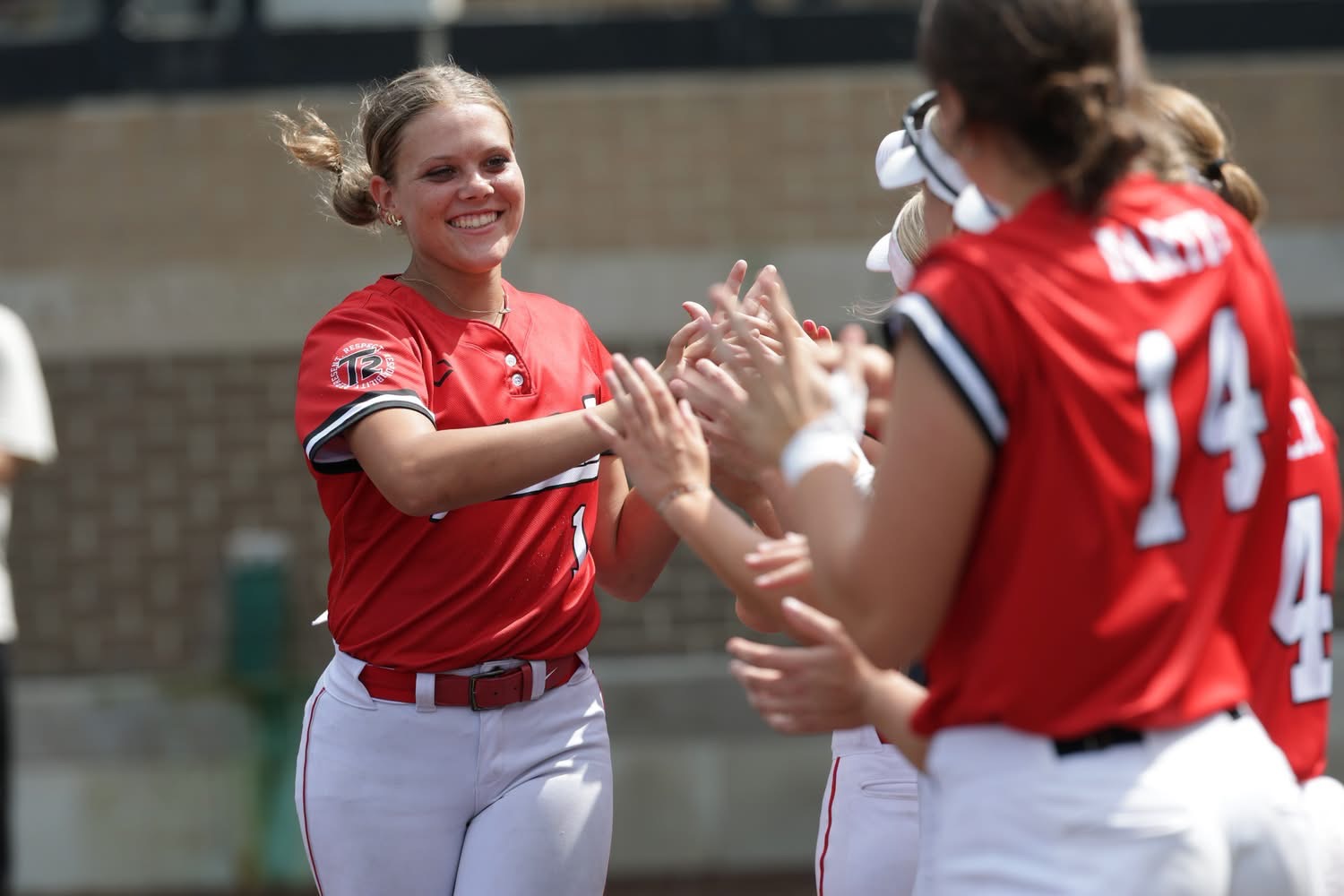
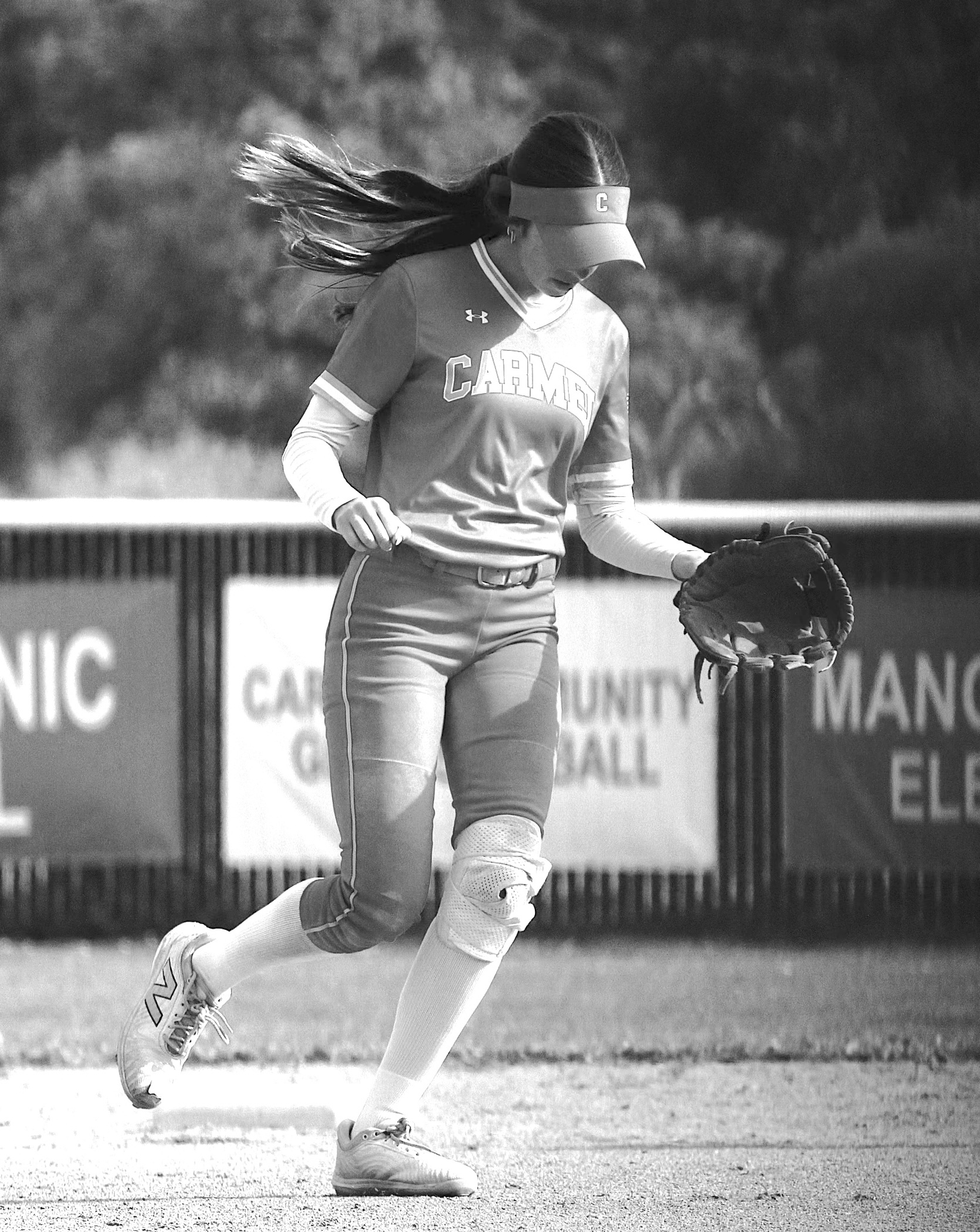
Lily Beals is a sophomore infielder from Carmel, Calif. and for Carmel High this year she helped the Padres finish as PCAL Co-Champs thanks to a tremendous season that saw her compile a .448 batting average, a .500 on-base percentage and a 1.099 OPS with 43 hits, 38 runs scored, 30 RBIs and 20 steals—all without being thrown out once.
During the summer and fall seasons, Lily competes for the Lady Magic – Tucker team and was honored this year to make the PGF All-American Futures Watchlist.
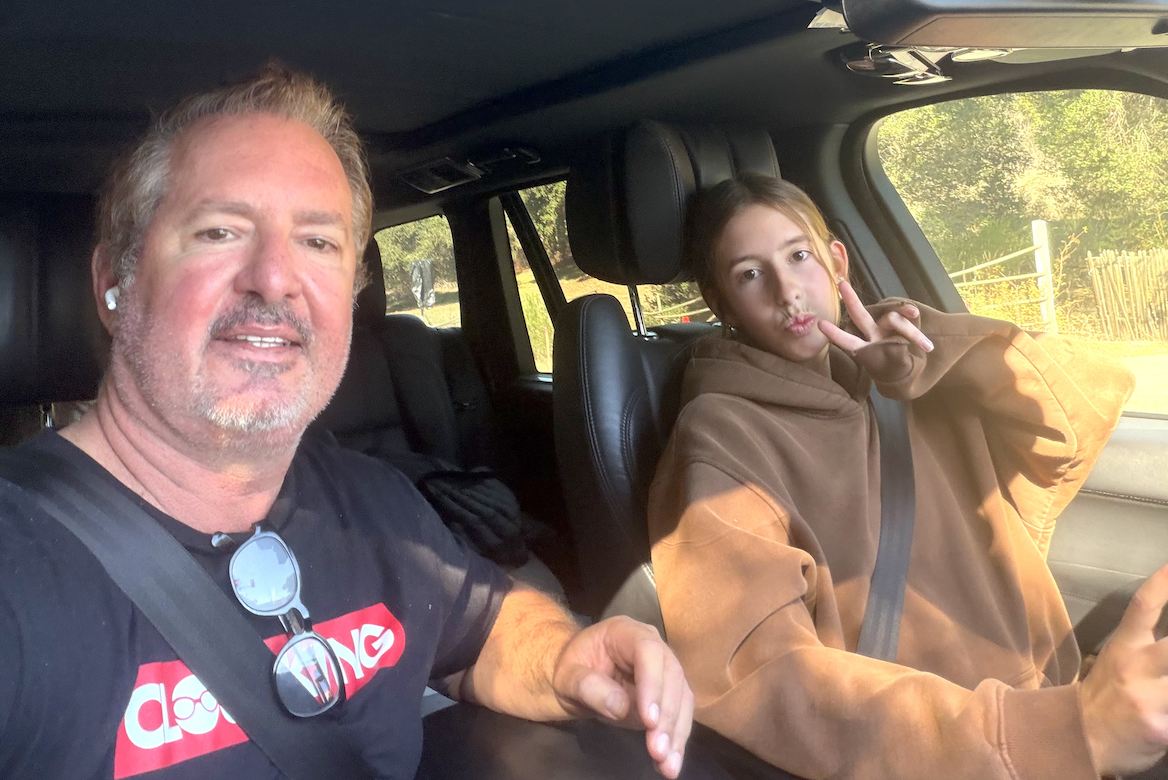
Our first intro to Lily came in February when we learned that she and her father, Stephen, drive everywhere together for team practices, workouts and tournaments—more than 72,000 miles annually!
We quickly realized too that Lily is a skilled writer and we invited her to be one on our excellent roster of student bloggers… and she’s more than risen to the challenge.
Here are the previous blogs by Lily and the initial story we published on her three months ago:
- Player Blog: 2028 Star Shortstop Lily Beals… How to Turn Pressure into Successful Preparation (April 11, 2026)
- Player Blog: Super Soph Lily Beals Stresses That “Rhythm Thrives in the Right Environment” (Feb. 22, 2026)
- Road Warriors: Central Cal Sophomore Shortstop Lily Beals and Her Father Stephen… Driving 72,000 Miles Annually (& Loving Every Minute of It!) Feb. 13, 2026
*****
In her latest blog, Lily analyzes her father’s communication and leadership styles and comes to realize which one she responds best to when it comes to various coaching approaches…
My dad is nuts… or is he?
I might have a weird superpower in that I can hear leadership when someone speaks… not the typical poster kind, but the messy, chaotic, and human kind.
My life is interesting.
If I am not at school (and often when I am supposed to be at school), I am traveling in the car with my dad, and those travels are typically to a lesson, practice, showcase, or tournament.
[… and by lessons, I mean hitting lessons, speed lessons, infield lessons, slapping lessons and by practices, I mean high school softball or travel practices.]
During these drives, my dad works.
I hear him on video calls, phone calls and voice texts almost nonstop. One minute, he’s calm and professional—the next he sounds like a teenager, then cracking jokes, negotiating, or giving tough love to someone.
My dad shifts so quickly, it’s like he’s a dozen different people.
This led me to ask him:
“How do you have so many different ways of talking to people?”
And he responded:
“Because people are different, some people want very direct answers, some people need reassurance, some people need to be convinced the idea is theirs, some people shut down the minute they feel judged.”
“Being a great leader requires learning what people respond to and adapting your style to accommodate that.”
*****
Coaching is Leadership with a Stopwatch
So, at first I thought this was just my dad being dramatic, but then I started thinking about this as an athlete and it makes perfect sense.

To be an effective leader, you cannot have one voice or one style. The best leaders adapt— they do not just yell, stay calm, or encourage… they change depending on the athlete and the situation.
Honestly, I’ve had all types of coaches:
… those who are super clear and technical, telling you exactly what to fix and how.
… some ask questions and want your input, which boosts your confidence and involvement.
… others expect a lot and push you hard, which helps if you’re in the right mindset for that.
… some stay calm when things go wrong, making it easier to reset.
… and, occasionally, a coach is direct and intense, making those rare moments matter more because of their rarity.
What I’ve noticed is that the best coaches aren’t stuck in one style—they adjust.
*****
The Aspect of Communication That Is Personal For me.
The part of this dialog that is most personal to me and most impactful is the one revealing that I do not respond well to harsh criticism or teasing.
Some athletes can take that, and it fires them up; they play better when someone is riding them.
This is definitely not me.
Don’t get me wrong, I am not soft… I just do not respond well to this environment, and I do not process information well when I am being screamed at.
In fact, I do what I do with my training and preparation because I enjoy it. When I have a setback, I try to learn from it, recover, and reset.
Softball is fun and the pressure that comes with it I enjoy.
However, I’m most hard on myself if I don’t execute a play or at bat and having someone screaming from the third base box negatively impacts my “reset” and flips a switch where I stop hearing what is being said, and I just feel overwhelmed.
It’s like my brain goes from trying to reset to just trying to survive the moment, and once that happens, I am not getting better… I am just trying to get through it.
So instead of pretending I am someone else, I built a system for it.
*****
What I Do So I Don’t Panic: I Reset
In the moment of stress, I have this reset where I take one slow breath, longer out than in, I tell myself I am fine, and then I give myself one simple cue, next pitch or next play.
Nothing complicated, just something to bring me back.
After that, I try to be honest but not hard on myself.

I think about what actually happened, what I can fix, and what I would tell a teammate if they were in the same spot. That helps me move forward instead of getting stuck.
*****
What My Dad Actually Taught Me
The biggest thing I have learned from all of this is that being coachable does not mean you have to respond to everything the same way; it means you understand yourself and you find ways to keep getting better anyway.
And from watching my dad, I realized something else: the best coaches are not the loudest or the nicest, they are the ones who can look at someone and know what they need in that moment: more direction, more calm, more pressure, or just a reset.
And then they deliver it to them in a way that actually helps.
Maybe my dad is nuts… or maybe he has just been coaching people his whole life, and I am finally hearing it.
Here’s a question for you players out there: when was the last time someone asked you how you receive feedback best?
That one question –and your answer–can change everything.
—Lily Beals/Line Drive contributor