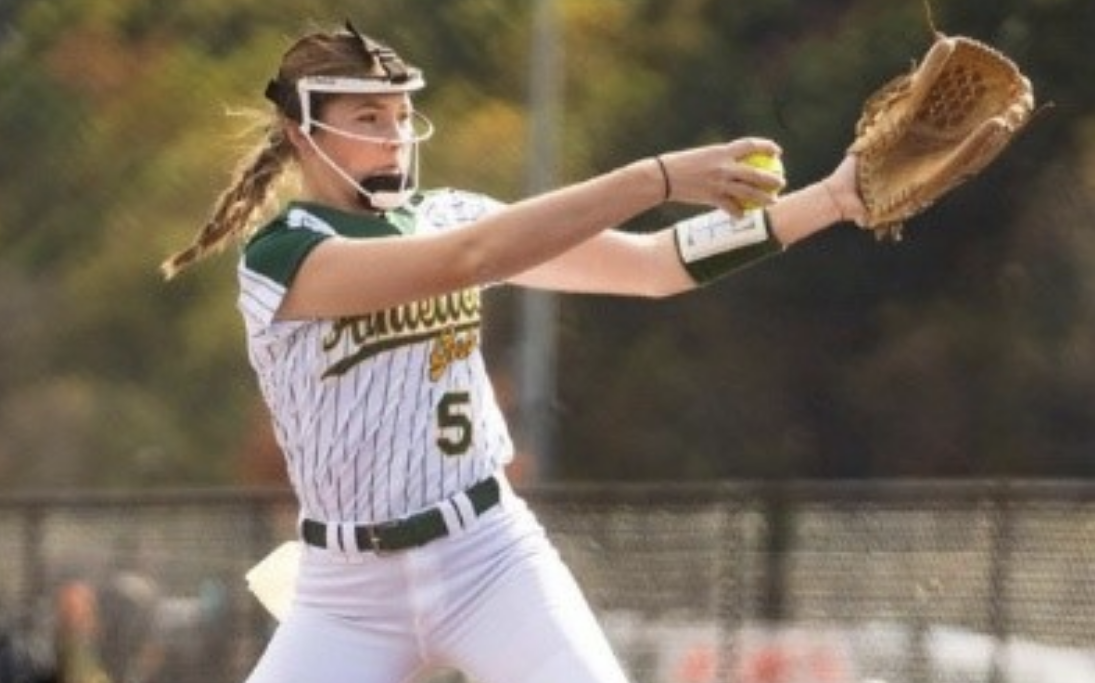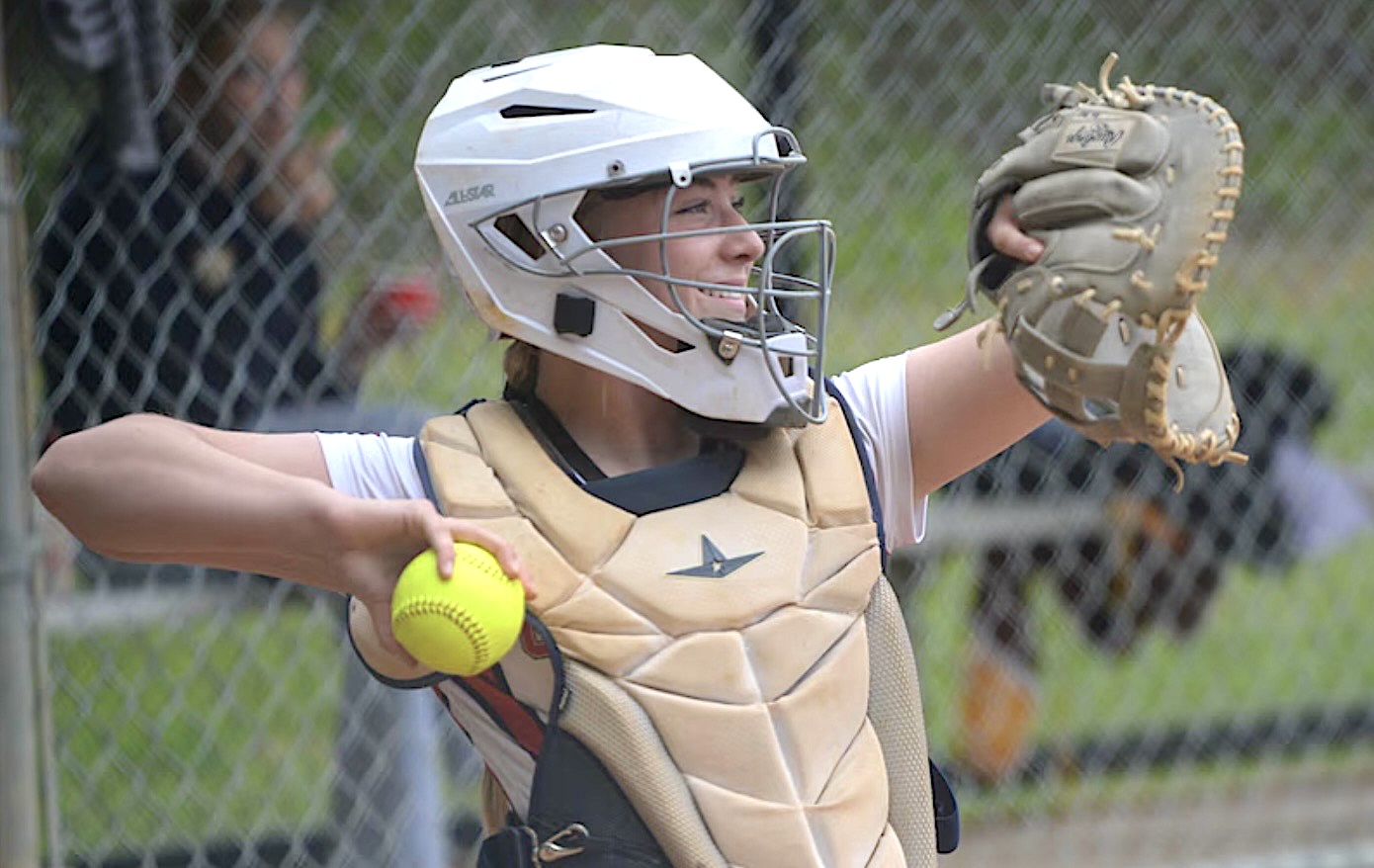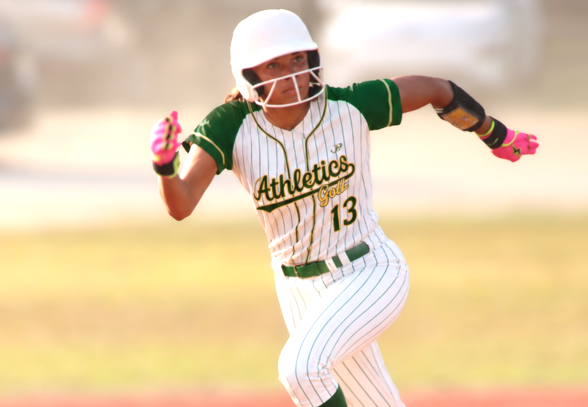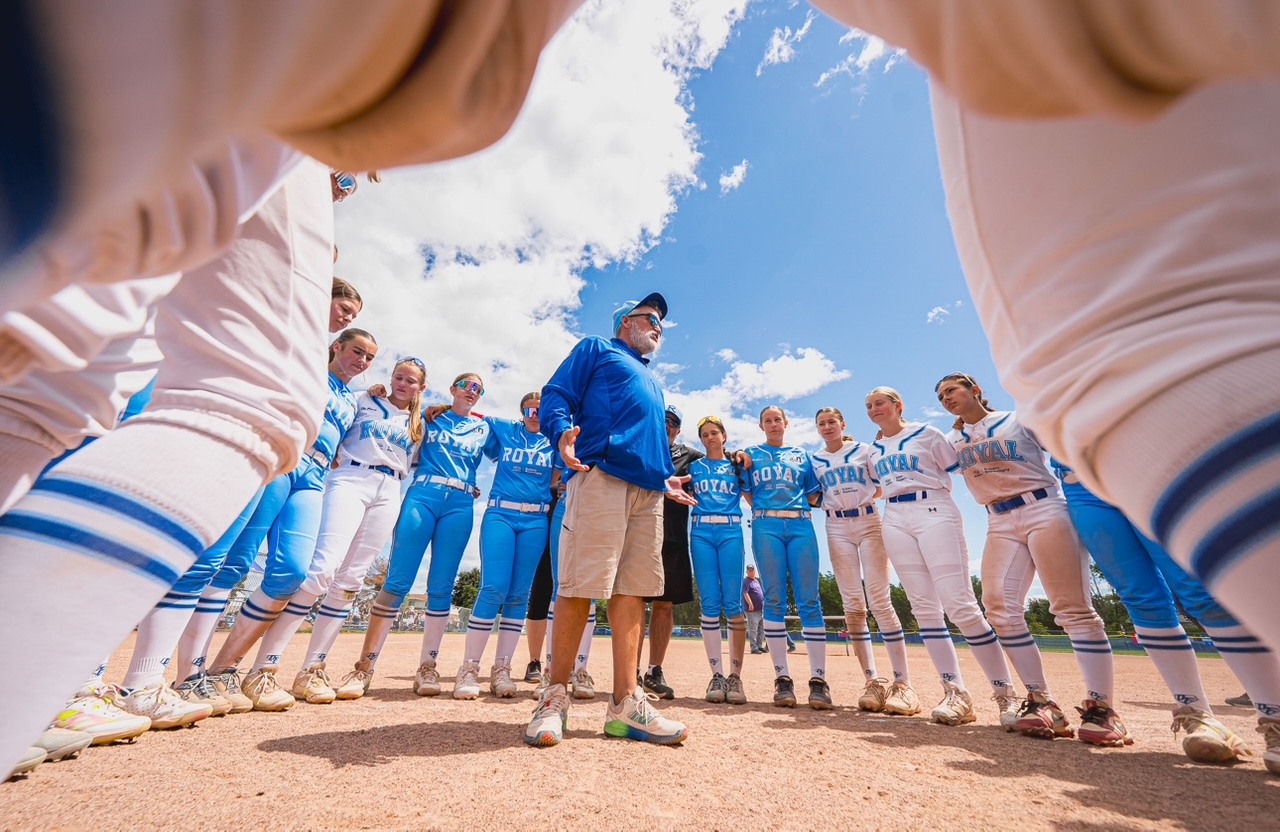
In a country where baseball has long dominated the diamond, elite softball pathways in Canada–especially in Québec—have often been limited or misunderstood.
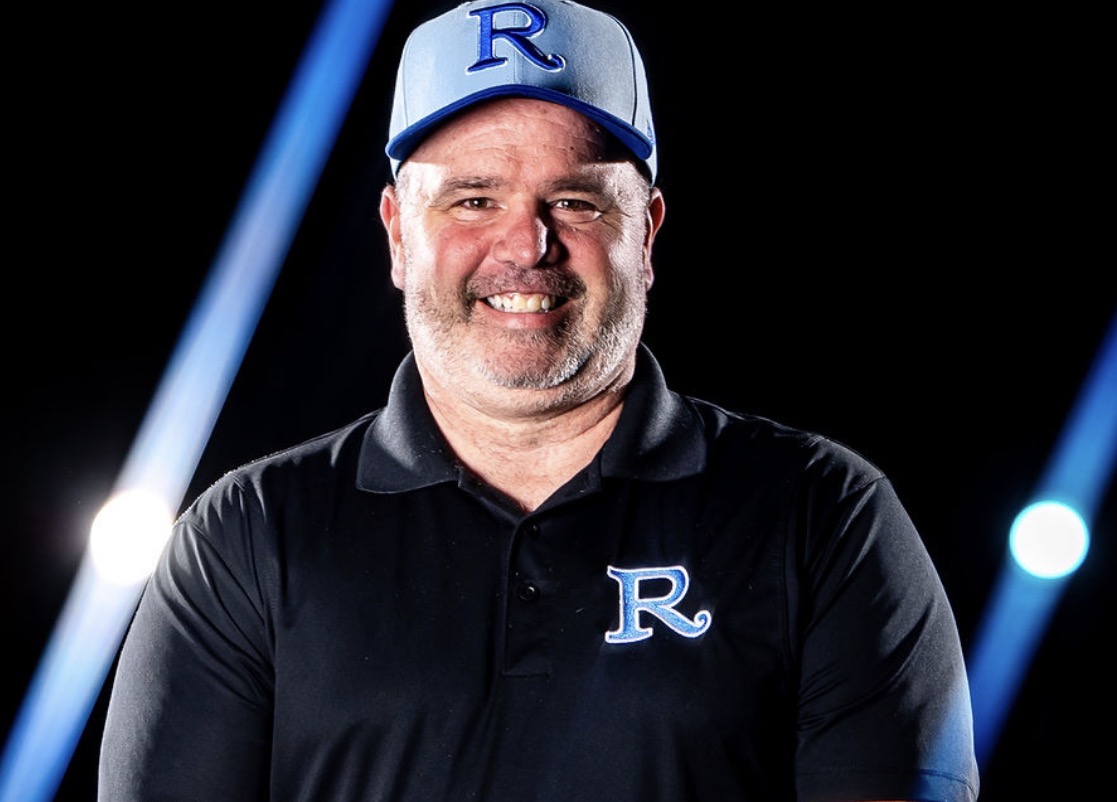
And that’s exactly the gap Royal On Field Softball was built to fill.
Founded and led by Nicholas Di Peco—who amazingly has been an on-field coach since age 16!—the program has quickly emerged as one of Canada’s most ambitious high-performance development models, combining year-round training, international competition, and a clear collegiate pathway for its athletes.
With multiple Little League World Series appearances, expansion across age groups, and development trips to places like IMG Academy in Bradenton, Fla., Royal On Field is proving that Canadian athletes don’t need to leave home to prepare for the next level… they just need the right system.
In this Line Drive Media exclusive Q&A with the program head, Di Peco breaks down the vision, structure, and philosophy behind a program built to develop not just players, but complete athletes…
*****
Line Drive Media: Royal On Field Softball is still a relatively young program — why did you create it, and what gap were you trying to fill?
Nicholas Di Peco: I created Royal On Field to provide Québec athletes with a true high-performance softball pathway.

Baseball has traditionally dominated our province, and many talented athletes didn’t fully understand the long-term opportunities softball offers at the collegiate and international levels.
Our mission is to develop high-level athletes through a structured, year-round system that prepares them for the next stage of their careers.
LDM: What is Royal On Field Softball today?
NDiP: Royal On Field is an elite development program based in Québec with approximately 80 athletes ranging from 10U to 18U.
Every team follows the same long-term development philosophy centered on elite training, international competition, and individualized growth.
LDM: The program officially launched in 2021. How has it evolved since then?
NDiP: We began with a single team. Each year we’ve expanded carefully, adding athletes and age groups without compromising our standards.
Today, we operate as a fully structured organization with a clear pathway that allows athletes to progress through every stage of development.
LDM: In Québec, baseball has historically overshadowed softball. How has that shaped your approach?
NDiP: It forced us to build differently.
We had to educate families about the opportunities within softball while also creating an environment that matched or exceeded traditional baseball development models.
That meant infrastructure, visibility, and long-term vision.

LDM: Little League played a significant role in your early momentum. Why was that platform so important?
NDiP: Little League gave us a credible entry point in a baseball-dominant culture.
It allowed athletes transitioning from baseball to softball to compete immediately while helping us build recognition and legitimacy within the region.
LDM: Your teams have participated in five of the last six Little League World Series. What does that consistency say about your model?
NDiP: That level of consistency reflects structure and preparation.
Success at that stage doesn’t happen by accident — it’s the result of a defined pathway, high daily standards, and preparing athletes to perform in pressure environments.
LDM: Royal On Field competes across multiple platforms — USA Softball, Triple Crown, NSA, U.S. showcases, and soon the Ligue de Fastpitch Junior Majeur du Québec. Why diversify competition?
NDiP: Exposure and development require variety. Different organizations and regions demand different styles of play.
Competing across platforms broadens experience, increases visibility, and prepares athletes for the adaptability required at the collegiate level.
LDM: Helping baseball players transition into softball is central to your philosophy. Why does that pathway work?
NDiP: Baseball athletes bring strong fundamentals, athleticism, and high game IQ. With the right technical adjustments, those skills translate extremely well.
In many cases, softball provides expanded collegiate opportunities that might not exist otherwise.

LDM: You operate out of a private indoor training facility. How critical is that in Canada?
NDiP: It’s essential because the Canadian climate can limit development.
A private indoor facility allows us to train year-round and maintain consistent high-performance standards regardless of the season.
LDM: In 2025, you traveled to Waco, Texas, and in 2026 you’re heading to IMG Academy. What do those experiences provide?
NDiP: Competing in the U.S. raises the benchmark. Facing elite American programs exposes our athletes to speed, depth, and expectations beyond what they regularly see.
Trips like Waco and IMG aren’t just travel — they are accelerators.
LDM: Your first full recruiting class targets the 2028 cycle. How are you preparing athletes for that journey?
NDiP: Recruiting preparation starts years before coaches make contact. We integrate athletic development, academic readiness, mental preparation, and exposure planning.
The goal is not just to be seen — it’s to be prepared when opportunity comes.
LDM: You’ve outlined plans for online academics and winter training in warmer climates beginning in 2027. Why is that important?
NDiP: Extended winter training in competitive environments would dramatically accelerate development.
Aligning academics with athletic growth prepares athletes for the realities of college softball, where training and school must coexist seamlessly.

LDM: You began coaching at just 16 years old. How did your playing background shape your philosophy?
NDiP: I played in Québec’s Junior Elite league and faced athletes who went on to professional careers. I wasn’t the most naturally gifted player, but I developed a strong understanding of preparation and game management — especially as a catcher.
Even as a teenager, I was thinking like a coach. That perspective shaped how I build athletes today.
LDM: What has been the most challenging part of building Royal On Field?
NDiP: Challenging the status quo.
Creating a year-round, high-performance model in a baseball-first culture required infrastructure, belief, and resilience.
There were moments of skepticism and limited resources, but those challenges reinforced our commitment to culture, consistency, and long-term vision over short-term validation.

LDM: What moment with one of your athletes best validated everything you’re building?
NDiP: It wasn’t a championship moment — it was a quiet one.
An athlete who transitioned from baseball once questioned whether she truly belonged at an elite level. After months of structured development and exposure to top-tier U.S. competition, she walked off the field at a major event composed and confident.
Later she told me:
“I don’t just feel like I can play at this level anymore. I feel like I belong here.”
That shift — from hoping to compete to knowing you belong — is why Royal On Field exists.
When athletes leave our program, we want them to carry more than skills… we want them to carry belief.
— Tyler Johnstone/Line Drive Media Canadian Correspondent