Inside Wilfrid Laurier University Softball:
For many U.S. softball fans and coaches, the Canadian university landscape remains largely unfamiliar—but that’s beginning to change.

Located just outside Toronto, Wilfrid Laurier University has quietly built one of Ontario’s most competitive softball programs, combining high-level play with strong academic opportunity.
With a condensed but intense season, growing national exposure, and a renewed culture under Head Coach Tom Cox, Laurier Softball is challenging the notion that elite post-secondary softball opportunities only exist south of the border.
In this Q&A with student executives and current players Olivia Shaddick and Madelyn Halstead, we take a closer look at how the program operates, how it recruits and develops athletes, and what success looks like for Wilfrid Laurier University beyond the scoreboard.
Program Overview & Identity
Line Drive: For U.S. readers who may not be familiar with Canadian university softball, how would you describe the Wilfrid Laurier softball program today?
Olivia Shaddick & Madelyn Halstead: Wilfrid Laurier University is located in Waterloo, Ontario, about an hour west of Toronto, placing the program in the center of one of Canada’s strongest softball regions.
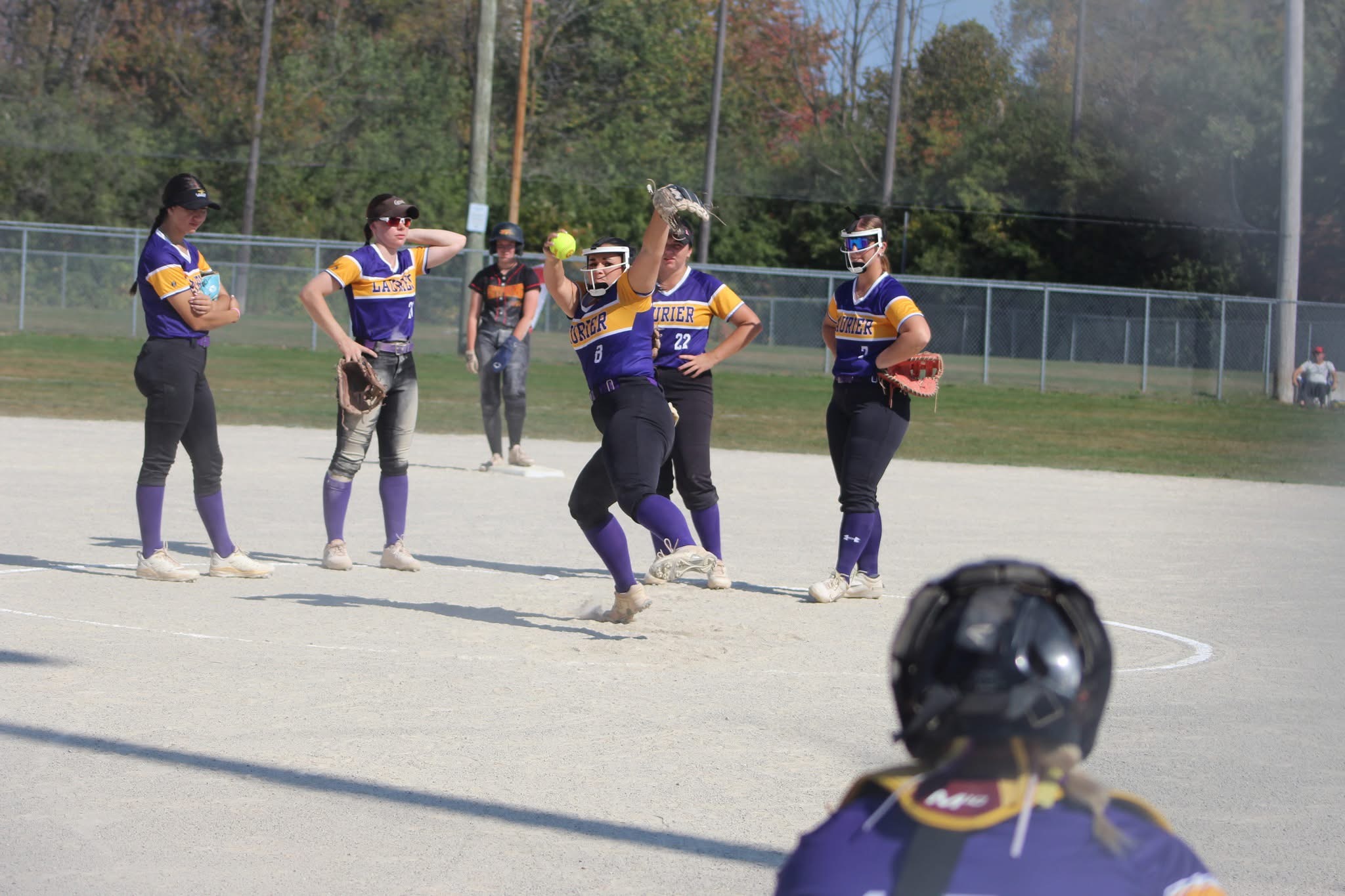
The majority of our athletes come from the local area, with a smaller number joining us from other provinces, and it’s also common to see Ontario players spend a year or two competing in the United States before returning closer to home to complete their studies.
The Laurier softball team competes in a shorter season that typically lasts six to seven weeks, featuring an intense in-season schedule balanced by a more relaxed off-season compared to many U.S. programs.
Historically, Laurier has been one of the province’s more competitive programs, benefiting from close proximity to top travel ball organizations and a strong academic reputation that continues to attract high-level student-athletes.
Program History & Momentum
LD: Has there been a key moment or defining experience in the team’s history?
OS/MH: The defining moment for our program came during a period of significant transition and growth following a change in leadership. After our longtime head coach stepped down, the program entered a redevelopment phase under new head coach Tom Cox, who helped establish a renewed standard for culture, accountability, and player development.
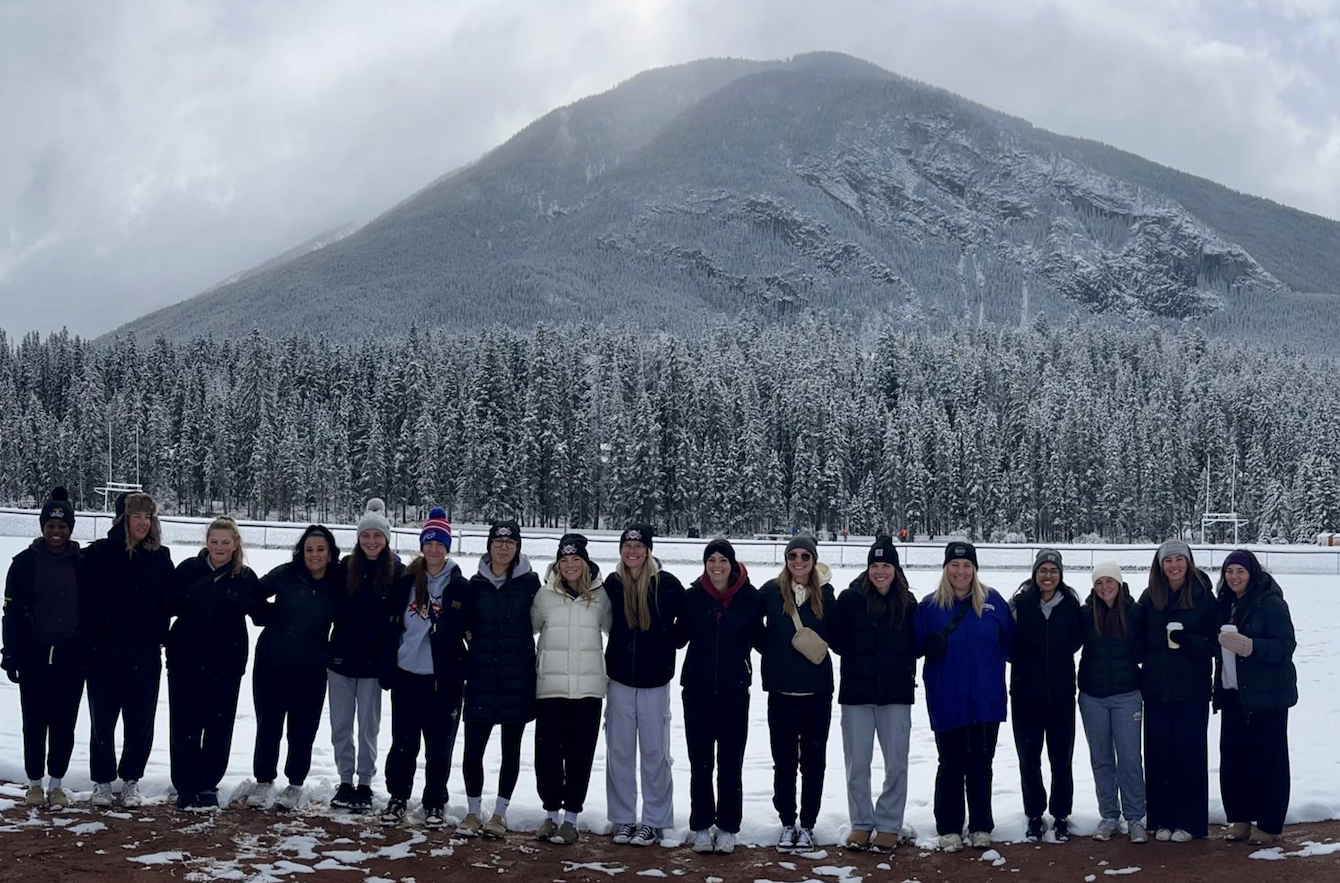
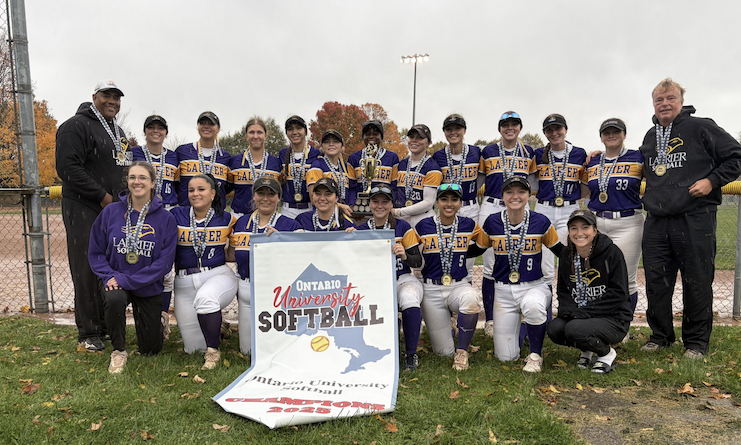
That process culminated in winning the OUS Provincial Championship this past season—our first title since 2007. Along the way, we earned back-to-back OUS medals with silver in 2024 and gold in 2025 and qualified for CCSA Nationals in consecutive years.
Beyond the results, this stretch has been defined by stronger off-season training, investment in incoming athletes, and a culture that celebrates both academic and athletic success, marking a true turning point for Laurier Softball.
LD: What excites you most about the current roster?
OS/MH: Our current roster features a strong group of freshmen, which is exciting given the level of talent and long-term potential they bring to the program. Having the opportunity to develop these athletes over the course of their university careers is a major positive for Laurier.
We’ve also seen strong interest from prospective student-athletes heading into the fall, and our focus remains on continuing to develop our players both on and off the field.
Day-to-Day Structure & Competition
LD: How does weather and season length in Canada shape how your team trains and prepares?
OS/MH: In Canada, long winters significantly limit outdoor playing time, resulting in a much shorter competitive season.
The August training window is critical, as fall weather can be unpredictable, with colder temperatures and rain often affecting games and preparation by September and October. As a result, our competitive season is condensed into roughly three months before transitioning into a lighter off-season.
That condensed timeline shapes our overall structure and differs from many U.S. programs. Winter and spring training are relatively relaxed, while tryouts and preseason preparation begin in August. Once fall competition begins, the pace increases quickly.
LD: What does the season schedule look like, how many games per season and who do you play against?
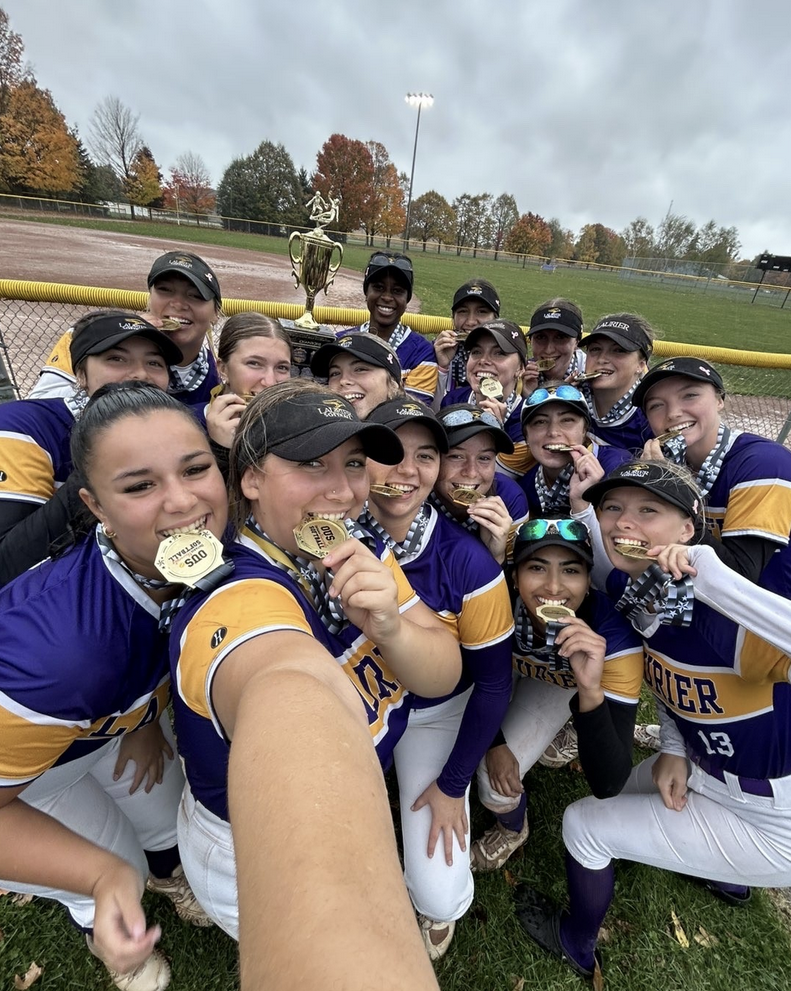
OS/MH: Our season begins in August, as we are one of the few programs that starts practicing before the academic year begins. Once competition gets underway in September, the schedule moves quickly. We typically practice two nights per week and can play up to six games on weekends, often in doubleheader formats. Including exhibitions, regular season play, playoffs, and nationals, we compete in roughly 30 games over the course of the season.
Laurier competes in the OUS West Division alongside Brock, McMaster, Guelph, Windsor, and Western, while the East Division includes Queen’s, York, Waterloo, Toronto, Toronto Metropolitan, and Ottawa.
Regular season play usually wraps up around Thanksgiving, with playoffs following shortly after, often during reading week.
Recruiting, Academics & Athlete Development
LD: What do you look for most when recruiting student-athletes to Laurier?
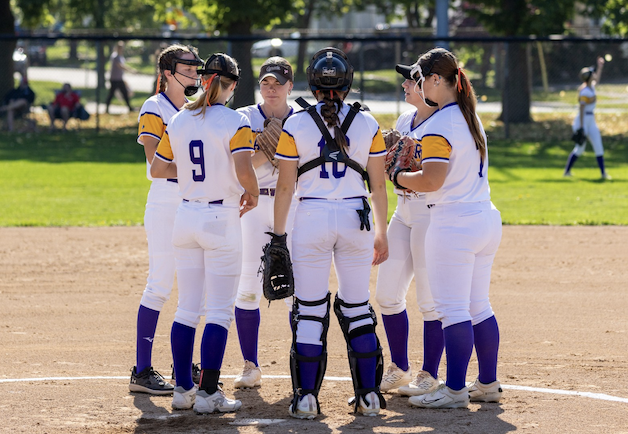
OS/MH: Positionally, our biggest challenges tend to be pitching and catching. With a short, intense season that often includes back-to-back doubleheaders, roster depth at those positions is critical and not always easy to find. We place a strong emphasis on team chemistry and culture, looking for athletes who will be additive both on and off the field.
The Ontario softball community is relatively small and close-knit, which allows us to learn a lot about players beyond just statistics. From a recruiting standpoint, we’re in constant conversation with athletes across Ontario and are seeing growing interest from other provinces, supported by expanded preseason preparation and additional indoor winter and spring training in the Laurier Sports Dome.
LD: Are you seeing increased interest in attending Laurier from athletes who are also being recruited by U.S. schools?
OS/MH: There will always be strong interest in U.S. programs, with roughly 5–10% of graduating players heading south in a given year. That said, many of those athletes eventually return to Ontario to complete their post-secondary education.
Most of our top players explore U.S. options but ultimately choose to stay closer to home for a combination of academic and athletic reasons. We’ve also welcomed several athletes who began their careers in the U.S. before transferring to Laurier to finish an undergraduate or pursue graduate studies.
While the academic landscape in the U.S. is broad, many Ontario athletes find it challenging to identify programs that offer both the academic rigor and level of softball competition they’re seeking.
LD: How do you balance the academic expectations of a Canadian university with the demands of a competitive softball program?
OS/MH: Balancing academics and athletics is essential to success both on and off the field, and at Laurier, academics always come first. The transition into university can be exciting, but it also requires strong time management, especially during a student-athlete’s first year. Upper-year players play an important role in supporting freshmen by sharing academic advice and helping them adjust.
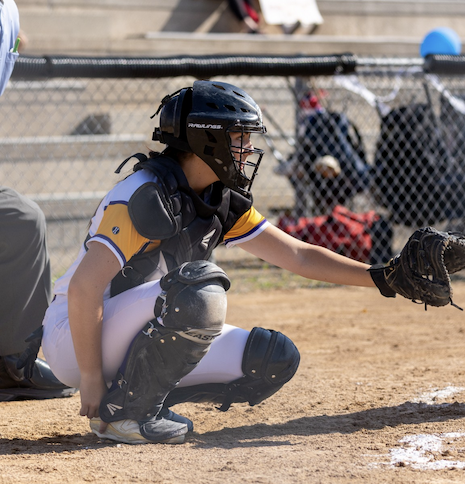
We’re fortunate to have a coaching staff that understands the demands of being a student and provides a structured schedule early on, allowing athletes to plan ahead around academic deadlines. With a season that runs only a few months and clearly defined off-season training, players are able to manage their responsibilities effectively while staying organized and prepared.
LD: How does Laurier support athletes who want to pursue careers beyond softball after graduation?
OS/MH: Laurier places a strong emphasis on preparing student-athletes for life beyond softball. Through career fairs, outreach programs, on-campus employment, and professional development workshops, athletes are given opportunities to build experience outside of sport. Students also have access to the Career Centre, which provides support with résumé development, interview preparation, graduate program guidance, and navigating the student-athlete balance.
In addition, the Athlete Academic Success Program offers structured study hall support to help athletes stay on track academically.
Canadian Softball Landscape
LD: Canadian softball has grown significantly in recent years—how has that growth impacted the university game?
OS/MH: Those familiar with the Ontario softball landscape have seen a noticeable rise in the overall level of play. While funding limitations can still affect travel and resources, the depth of talent continues to improve.
Although many Senior National Team athletes have historically developed through NCAA Division 1 programs, players with Junior National Team experience are increasingly competing within the OUS and Western Canadian university system, reflecting the continued growth of the Canadian university game.
Vision & Program Philosophy
LD: What would success look like for this program beyond wins and losses?
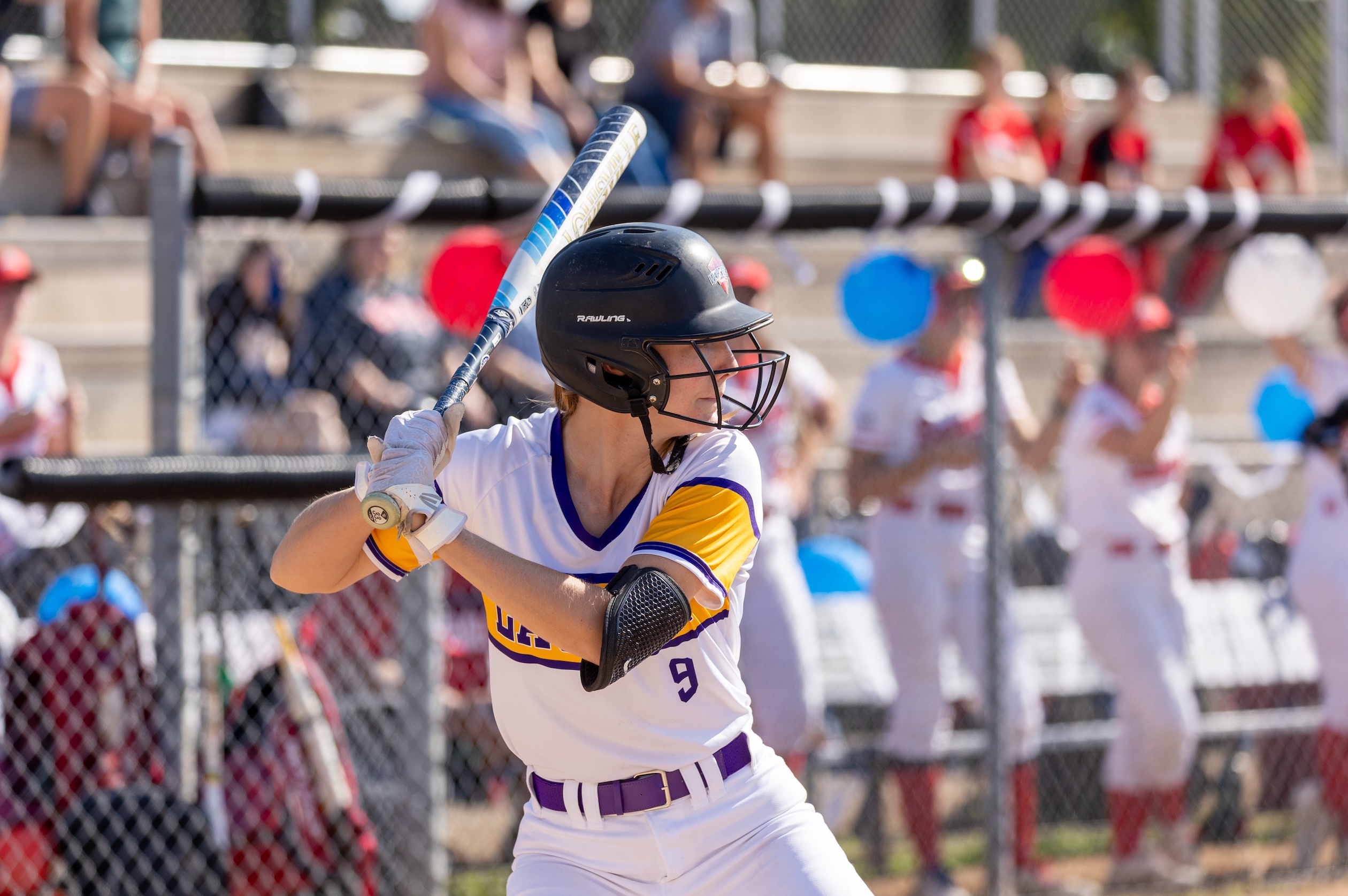
OS/MH: Beyond wins and championships, true success for our program is creating a space where athletes can continue to compete, grow, and learn at a high level throughout their post-secondary careers.
In Canada, athletes are often told that opportunities to continue playing end after high school unless they pursue U.S. programs, but that perception is beginning to shift.
Our goal is to provide a competitive, high-performance environment closer to home—one that allows athletes to showcase their ability, character, and commitment while continuing to develop both on and off the field within the OUS.
LD: How can a reader connect with Laurier Softball or follow you online?
OS/MH: Our Instagram is @lauriersoftball and our website for Laurier Athletics is https://laurierathletics.com/sports/wsoft