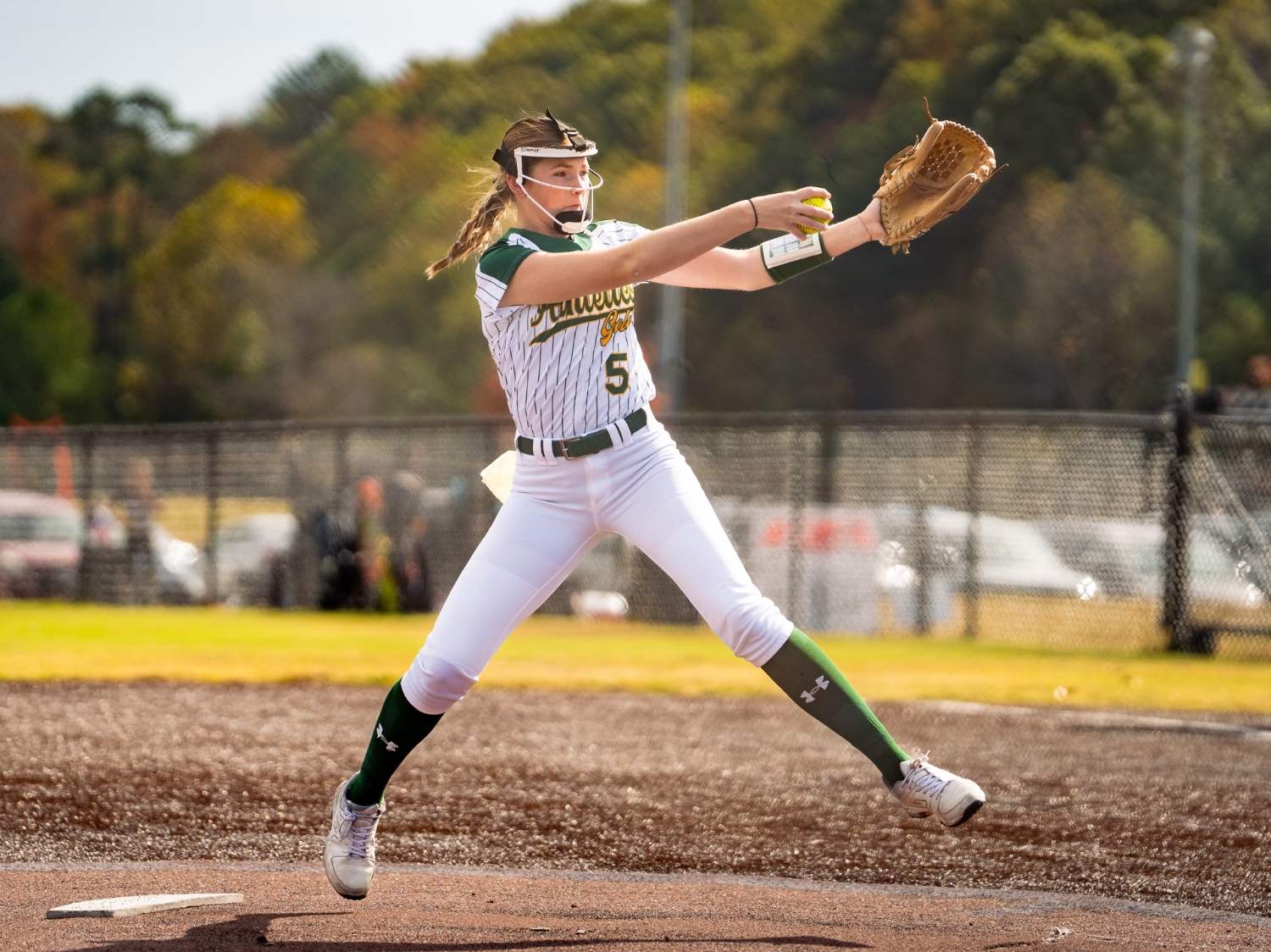

For over two decades, Kim Wright has been shaping pitchers across British Columbia and beyond—but her impact reaches far past the circle.
Her coaching journey didn’t begin with a blueprint, it began with experience—both the kind that pulls you into the game, and the kind that forces you to rethink how it should be taught.
From her early days with the Richmond Islanders to international stops, Wright has built her reputation not just on developing talent, but on understanding people.
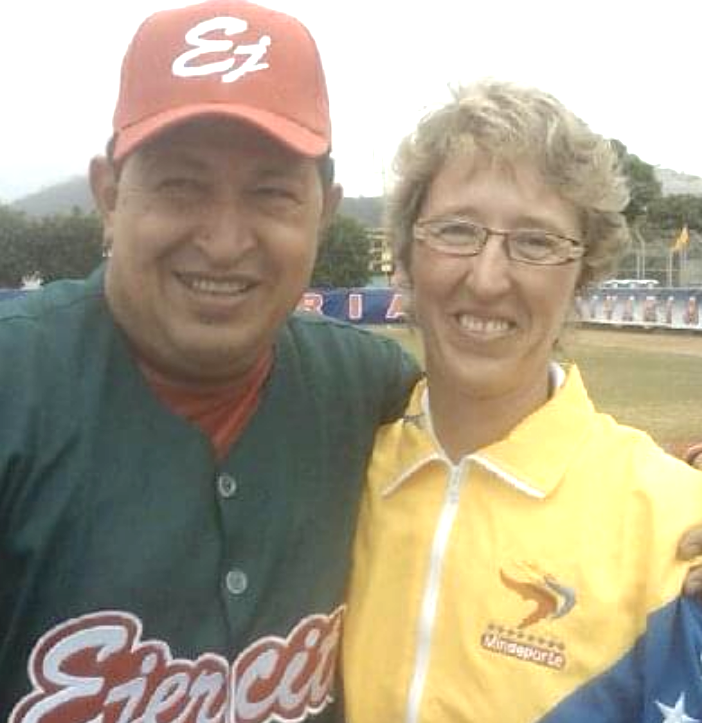
She was a guest coach with Team Canada for the 1999 Pan-Am Games and was the head coach of the Venezuela National Women’s Team from 1999 to 2005, as well as for 2010 and 2014. Wright was also a Head Coach in the Italian Pro League during 2006 and 2007 and was also an assistant coach of the Greek National Team.
She’s guided athletes through the realities of Canadian softball, helped open doors to NCAA opportunities, and adapted her approach as the game—and the athletes within it—have evolved. But at the center of everything is a consistent belief: development isn’t one-size-fits-all and success isn’t defined by metrics alone.
For Wright, it’s about meeting athletes where they are, helping them grow through the highs and lows, and preparing them for something bigger than the game itself.
Line Drive correspondent Tyler Johnstone recently caught up with Coach Wright to get her insights on an accomplished career in softball and what she’s learned—and implements–to help athletes achieve their dreams..
*****
Line Drive Media: You’ve been around the game internationally and in BC for years — what originally pulled you into coaching, and what made you stay in it?
Kim Wright: I started coaching at 22 after a difficult experience with a coach who played mind games with us. Growing up, softball was a huge part of my life—it truly saved me.
When my playing career ended, coaching felt like the natural next step.
I still remember jumping up and down on my couch when I got my first coaching job in B.C. with the Richmond Islanders!
Even while working a full-time job, I stayed in coaching because I love the game and I love teaching it. I also recognize that for some of the kids I coach, softball is playing the same role in their lives that it did in mine.
LDM: You’ve coached in very different environments — Canada, Venezuela, Europe. What have those experiences taught you about people, not just softball?
KW: I’ve learned that the love of the game exists everywhere. You don’t need resources—you just need the desire to improve and compete.
Everywhere I’ve coached, I’ve been exposed to different cultures, languages, and ways of thinking. But at the core, people are very similar. Each culture brings its own strengths, and you see that reflected in how they play the game.
In Canada, I’ve had the privilege of working with athletes from a young age and watching them grow up. They become like family. You see their highs, their setbacks, and their evolution—not just as players, but as people.
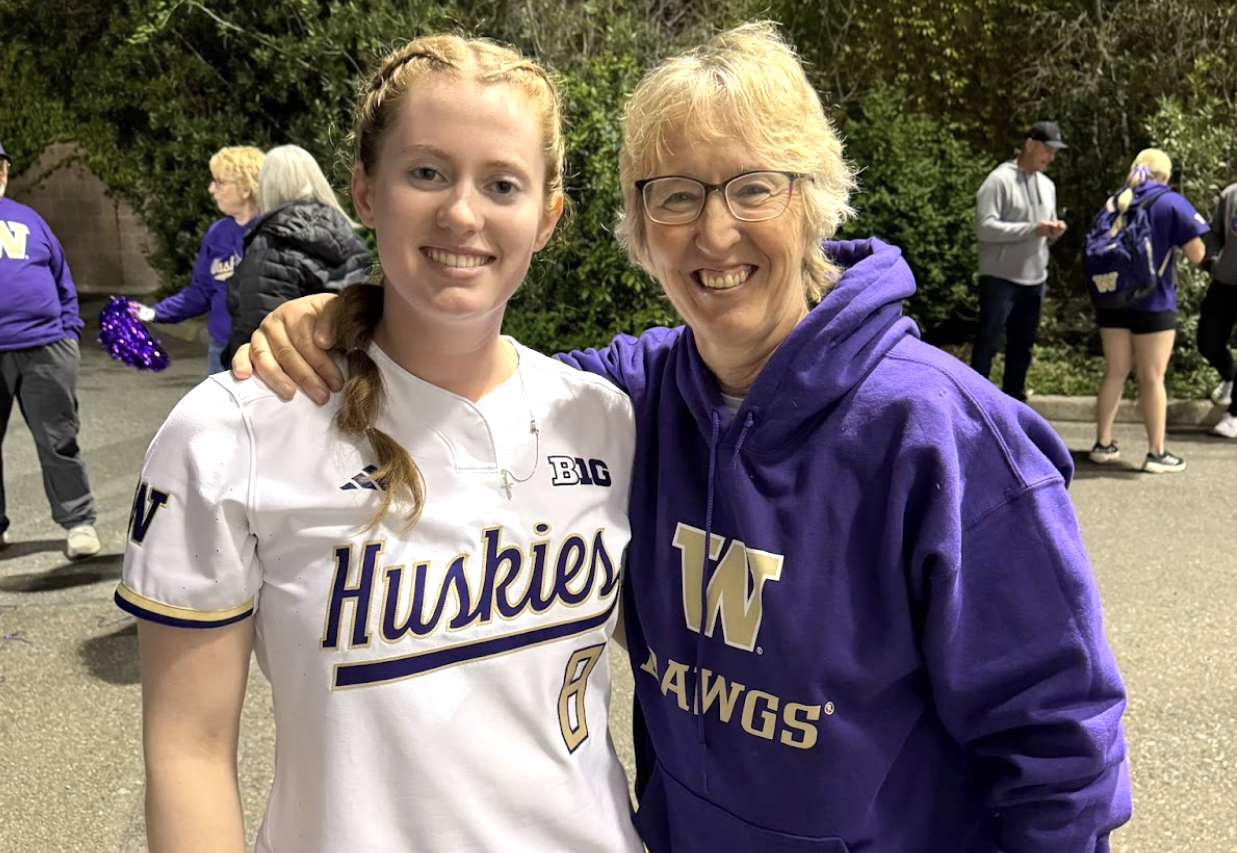
Watching athletes like Morgan Reimer dream of playing at Washington, and then seeing younger players like Deschanel Donovan and Rachel Clegg follow their own path… those are the moments that stay with you.
LDM: What has it meant to help young Canadian players believe that NCAA softball can be a real path for them?
KW: Because I didn’t have that opportunity myself, it’s incredibly rewarding to help others achieve it.
It takes pushing athletes outside their comfort zones and helping them understand that the journey isn’t always linear. But you can quickly recognize the athletes and families who are truly committed to doing what it takes.
LDM: From your perspective, what are the biggest differences between the development path for a softball player in Canada versus one in the U.S.?
KW: For pitchers with Power 4 potential, I often have to send them to the U.S. The level of competition here just isn’t enough to prepare them for that level right out of high school. Offensively, Canada still lags behind much of the U.S., so facing stronger hitters is essential for development.
On the recruiting side, U.S. club teams have deeper networks and clearer pathways. They know where to go, and athletes have better access to exposure opportunities. In Canada, many families invest heavily without seeing real recruiting results. There’s a lot of talent, but not enough structure to properly showcase it. That needs to improve.
That said, Canada does some things well—like gradually increasing pitching distance and ball size, which benefits development. We also avoid overloaded fall schedules, allowing more time for training.
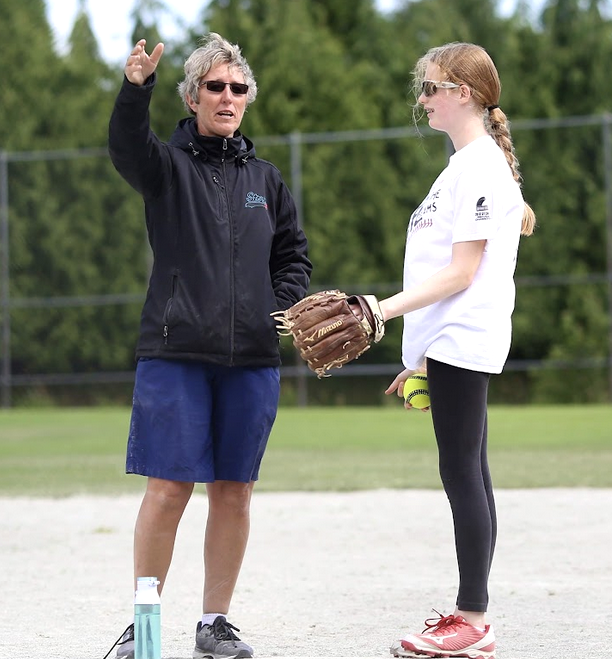
LDM: People know you as a pitching coach, but what do you believe is the biggest part of your job that parents and players don’t always see?
KW: There’s a significant amount of work behind the scenes.
I spend 6–12 hours each week studying new trends and advancements in player development. I also communicate regularly with college coaches on behalf of my athletes and guide families through important decisions.
There are hundreds of conversations each year that happen outside of lessons, but they’re all part of helping the athlete succeed.
LDM: How do you adjust your coaching style depending on the athlete in front of you — especially when their personalities or confidence levels are very different?
KW: Earlier in my career, I wasn’t very flexible. Over the past five years, that’s changed significantly.
Now I understand that every athlete needs something different. It’s my responsibility to meet them where they are.
Tools like ActionTypes have helped us better understand how athletes think and move, allowing for more personalized coaching. The game is moving toward individualization, and today’s athletes both need and expect that.
LDM: When you first meet a young athlete, what do you usually notice before anyone else does?
KW: I can usually tell right away whether an athlete truly loves the game.
LDM: You’ve worked with so many talented athletes over the years — are there a few players that really stand out to you, and what made them different?
KW: I remember every athlete I’ve ever coached—they all stand out in their own way.
The ones who go the furthest consistently have a deep passion for the game and strong support systems, whether from family or a key mentor.
They also tend to give back to the sport in some way.
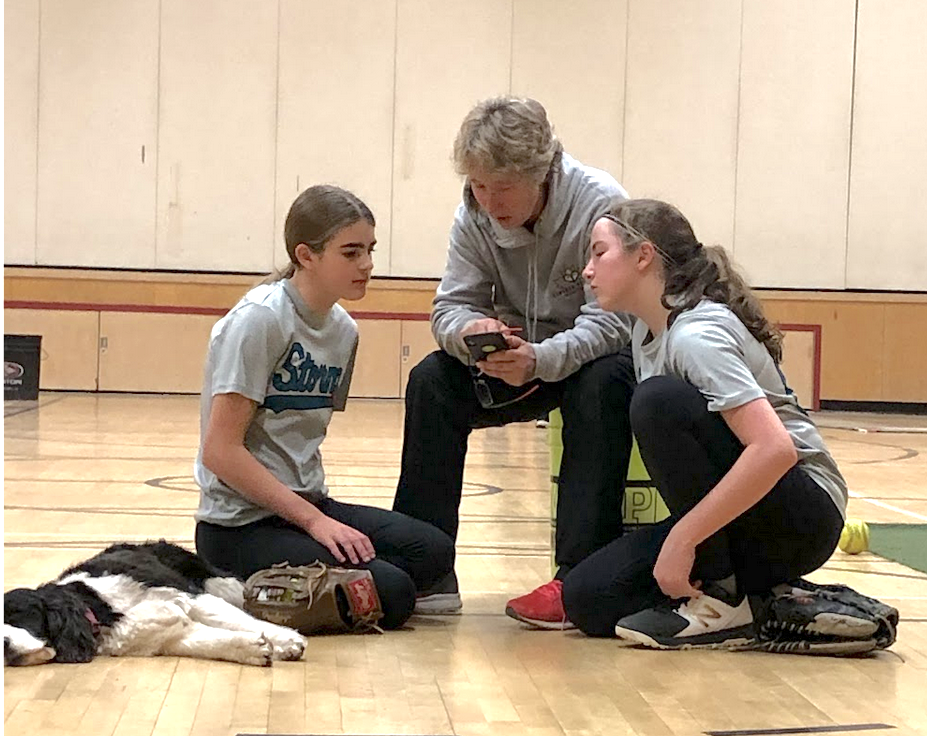
LDM: Is there a specific player or moment from your coaching career that has always stuck with you — a story that really captures why you love what you do?
KW: Coaching Team Venezuela was one of the most impactful experiences of my career.
It taught me how people can connect even without a shared language. It also reinforced that greatness isn’t limited by geography—those athletes loved the game as much, if not more, than anyone I’ve worked with.
I also had the opportunity to bring two Venezuelan athletes, Yuruby Alicart and Mariangee Bogado, to live and train with me. Both went on to play Division I softball and represent Venezuela in the 2008 Olympics.
Experiences like that stay with you forever.
LDM: When you’re working with a pitcher who has big goals, what separates the athletes who say they want it from the ones who are truly building toward it?
KW: It comes down to commitment—both from the athlete and their family.
LDM: What does a great coach-athlete relationship look like to you, and how do you build that over time?
KW: Like any strong relationship, it’s built on long-term commitment, trust, and the understanding that there will be ups and downs.
Each athlete needs to be treated as an individual. While I remain consistent in who I am, I adapt how I show up so each athlete gets what they need.
LDM: What is one lesson you find yourself teaching over and over again — no matter how much the game changes?
KW: No matter how advanced the game becomes, the mental side will always be critical.
You can have all the data in the world, but if an athlete can’t perform under pressure, none of it matters.
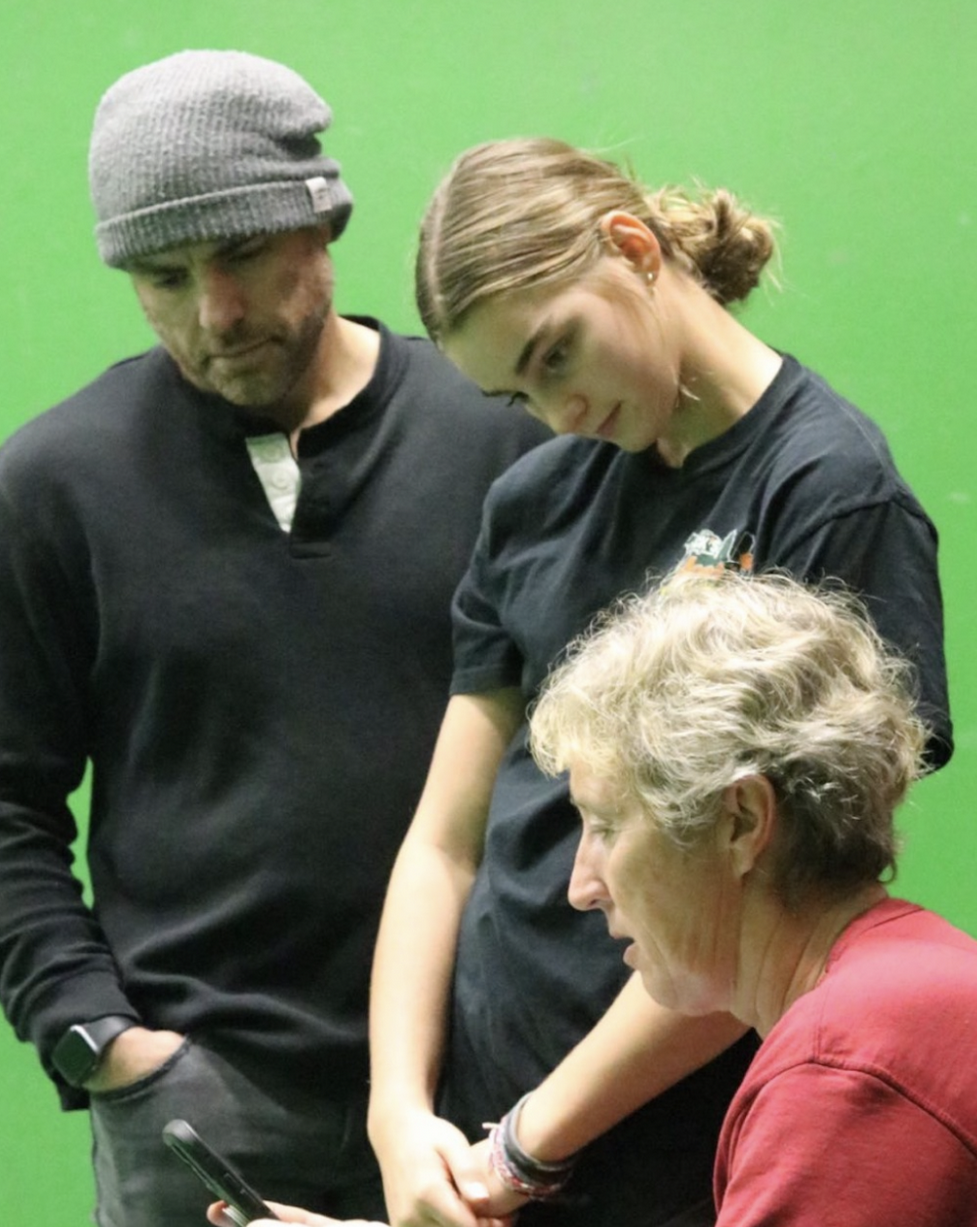
LDM: How has your coaching evolved over time, especially with the rise of newer technology and data in player development?
KW: Early on, I used data heavily. Now, I’m more selective.
There’s an overwhelming amount of information available, and it’s my job to filter it so athletes get what they need without becoming overloaded—especially younger players.
Some athletes thrive on more information, but most perform better with less. At the same time, they need to be prepared for the volume of data they’ll encounter at the college level and learn how to discern what truly matters.
LDM: When a pitcher is struggling with confidence, what do you believe she needs most from her coach in that moment?
KW: First, they need to know that I believe in them—genuinely.
From there, it’s about helping them rediscover their rhythm without making them feel broken. They’re never broken.
The goal is to guide them back while also teaching them how to do that for themselves over time. Self-sufficiency is key.
LDM: What do you hope players still remember about you years after they stop training or playing for you?
KW: I hope they know I gave them everything I had—the best knowledge, the best resources, and my full effort.
More importantly, I hope they know I cared about them as people, not just as athletes, and that I’ll always be there for them beyond the game.
LDM: What still drives you to coach at this level after all these years, and what keeps you passionate about developing the next generation?
KW: My love for the game has been a constant in my life since I was a kid—and that hasn’t changed.